How to hold your ground as a solo in Rust by building next to Oil Rig
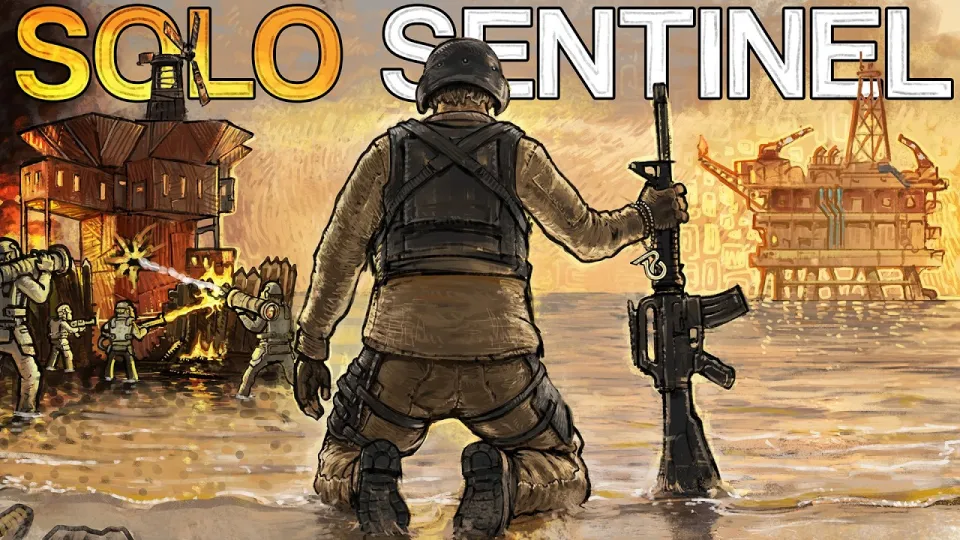
Video: The Solo Sentinel - Rust
You can order the same kind of articles for your own video to boost it on YouTube and Google. Just message the Telegram bot @sat_sit_bot. The bot writes and publishes the articles itself (with your YouTube video embedded) on popular topical websites (no ads). Your first 50 articles are free.
· based on the channel Blooprint
Building next to Oil Rig as a solo in Rust is one of the fastest ways to get high-tier loot and force constant PvP, but it also puts a target on your back. The key is to treat your base as a fortress: compact, multi-layered, and defended by turrets and smart door placement. In his video The Solo Sentinel, Blooprint shows exactly how a solo can hold his ground against larger groups by using the environment, game sense, and a well-designed base. For live gameplay and more solo strategies, check out Blooprint's Twitch channel.
Why building near Oil Rig works for solos
Oil Rig is a high-risk, high-reward monument that attracts groups and solos alike, and setting up a base nearby gives you quick access to loot and fights. The constant traffic means you'll never run out of opportunities to third-party or counter-raid, but you'll also need to defend your base frequently. A solo base near Oil Rig should be small enough to hide but strong enough to repel raids. Blooprint's design uses multiple layers of walls, strategically placed turrets, and a confusing interior layout to frustrate attackers. This approach turns your base into a force multiplier, allowing you to fight back even when outnumbered.
Essential base design principles for a solo sentinel
A solo base must prioritize defense over size, focusing on compactness, redundancy, and automation. Here are the core principles:
- Compact footprint: A smaller base is easier to defend and harder to spot. Use a 2x2 or 2x1 core with honeycombing.
- Multiple layers: Add at least two layers of walls around your loot room to slow down raiders.
- Turret coverage: Place turrets to cover approaches and blind spots. Blooprint often uses turrets on rooftops and inside compound walls.
- Smart door placement: Use double doors and airlocks to create choke points. Consider placing doors in unexpected locations to confuse attackers.
- Decoy loot rooms: Set up fake loot rooms to waste raiders' explosives.
These principles are echoed by viewers who appreciate the depth of solo base building. As one commenter noted, sealing mats in every room is a mantra for a reason—it prevents easy access and forces raiders to spend more resources.
Defending against groups: tactics and mindset
When a group arrives, your goal is to make the raid as costly as possible while looking for opportunities to counter. Blooprint's solo defense relies on a few key tactics:
- Use the element of surprise: Attack from unexpected angles, such as from underwater or from a flanking position.
- Listen for audio cues: Footsteps, door sounds, and explosions give away enemy positions.
- Rotate and reposition: Don't stay in one spot; keep moving to avoid getting pinned.
- Utilize turrets: Let turrets do some of the work while you flank.
- Know when to retreat: If the raid is overwhelming, fall back to a secondary loot stash or counter-raid later.
The video shows Blooprint successfully defending against multiple attackers, even when they bring rockets. His calm communication and quick decision-making are hallmarks of a seasoned solo.
Progression and snowballing as a solo
Starting from a fresh wipe, a solo must progress efficiently to reach T2 and T3 gear quickly. Blooprint's route often involves rushing Oil Rig for early loot, then using that loot to upgrade the base and craft better gear. Key steps include:
- Prioritize scrap: Farm components and scrap to unlock blueprints.
- Target key monuments: Oil Rig, Launch Site, and Military Tunnel offer high-tier loot.
- Use the element of surprise: As a solo, you can often third-party fights and escape with loot.
- Invest in defense: Craft turrets and upgrade walls as soon as possible.
Viewers have noted that watching a solo progress from primitive to fully geared in a short time is less interesting than the narrative of struggle and adaptation. Blooprint's solo content emphasizes the journey, not just the destination.
Common questions from the community
Solo players often wonder how to deal with groups, what base designs work best, and how to avoid burnout. Here are some insights based on community discussions:
- How do I deal with zergs? Focus on defense and making raids costly. Use turrets and traps, and don't be afraid to abandon a losing fight.
- What's the best solo base? There's no one-size-fits-all, but compact, multi-layered designs with turrets are consistently recommended.
- How do I progress quickly? Rushing high-tier monuments and targeting fights can snowball your progress.
- Is solo content better than group content? Many viewers prefer solo because it's more personal and educational, with clear explanations of the thought process.
All links from the video
Conclusion
The Solo Sentinel is a masterclass in solo Rust survival, demonstrating how a well-designed base and smart tactics can help you hold your ground against larger groups. Blooprint's approach—building next to Oil Rig, prioritizing defense, and staying calm under pressure—offers valuable lessons for any solo player. Whether you're new to solo or a veteran, there's something to learn from his gameplay. For more live action and to support Blooprint, follow him on Twitch.
Key takeaways
- Building near Oil Rig gives a solo player high-tier loot access and a constant stream of PvP action.
- A compact, multi-layered base with turrets and smart door placement is key to defending against groups.
- Solo play relies on game sense: listening for footsteps, using the element of surprise, and rotating efficiently.
- Blooprint's 'The Solo Sentinel' showcases how a solo can hold his own against larger teams on a fresh wipe.
- Solo content offers a more personal, educational viewing experience compared to group collaborations.
Questions & answers
How do I defend my base against a group as a solo in Rust?
Focus on making the raid as costly as possible. Use turrets, traps, and multiple layers of walls. Listen for audio cues and rotate to avoid getting pinned. If overwhelmed, retreat and counter-raid later. Blooprint's video shows how a solo can successfully defend against rockets by using the base's design and staying mobile.
What is the best base design for a solo player near Oil Rig?
A compact, multi-layered base with turret coverage and smart door placement works best. Keep the footprint small to avoid detection, but add honeycombing and decoy loot rooms to waste raiders' explosives. Blooprint's design in the video uses these principles to great effect.
How can I progress quickly as a solo on a fresh wipe?
Rush high-tier monuments like Oil Rig for early loot, prioritize scrap for blueprints, and target fights to snowball. Invest in base defense early to protect your gains. Blooprint's route involves getting to T2 and T3 gear efficiently by taking risks and using game sense.
Why do viewers prefer solo content over group collaborations?
Solo content feels more personal and educational because the creator explains their thought process directly to the audience. Without team comms, viewers get a clearer picture of decision-making and strategies. Many find the narrative of a solo overcoming odds more engaging than watching a group dominate.
Source: The Solo Sentinel - Rust · Markdown version